
Why Paid Membership Party Experiences Are the Future of Nightlife
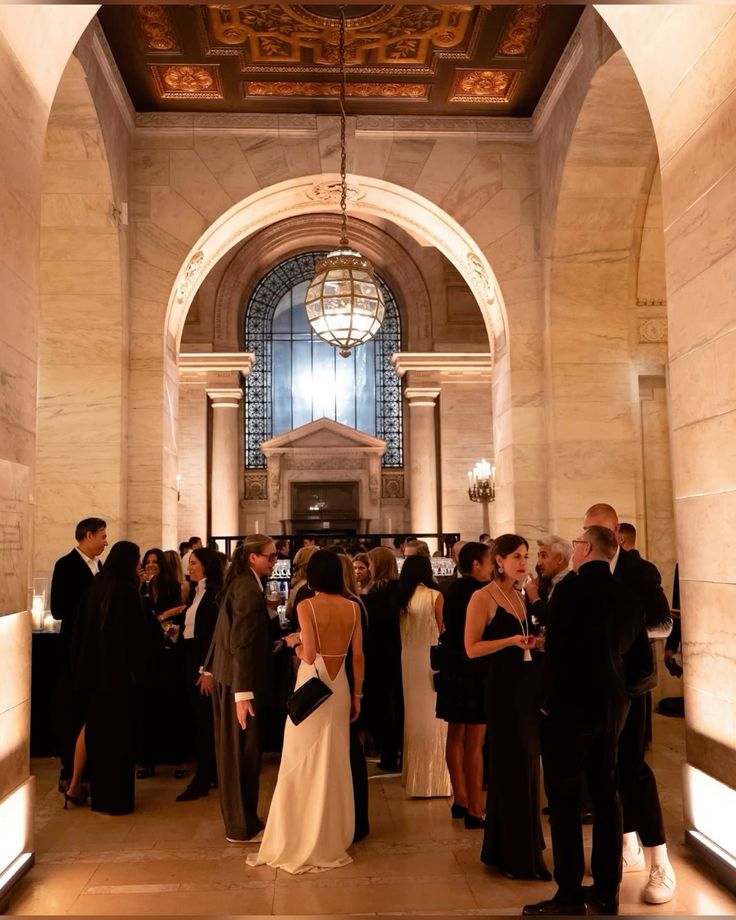
Why Paid Membership Party Experiences Are the Future of Nightlife Nightlife is changing — and honestly, it had to. Long lines, overcrowded rooms, unpredictable vibes, and nights that feel more stressful than exciting are slowly being replaced by something smarter, smoother, and more intentional: paid membership party experiences. These aren’t just parties. They’re curated moments. And once you experience one, it’s hard to go back. You’re Not Paying for Access — You’re Paying for Ease The biggest luxury today isn’t exclusivity. It’s peace of mind. With a paid membership, everything that usually makes nights out chaotic is already handled: entry, timing, atmosphere, crowd. No guessing. No scrambling for last-minute plans. No wondering if the night will be “worth it.” You show up knowing the experience has been designed for you. Better Crowds, Better Energy Open-access parties bring everyone. Membership parties bring alignment. When people have opted in — financially and intentionally — the energy changes. Conversations flow more easily. People are more present. The dancefloor feels safer, freer, and more expressive. There’s less posturing and more participation. You’re surrounded by people who want to be there, not just people who happened to be there. Quality Over Chaos Membership-based events prioritize experience over volume. That means: Thoughtful music curation DJs who build journeys, not just noise Venues chosen for vibe, not capacity Space to dance, talk, and actually breathe Instead of packing bodies into a room, these experiences create rhythm — moments where the night unfolds naturally and feels memorable rather than exhausting. Community, Not Just a Night Out The real magic of paid membership experiences is what happens over time. You start recognizing faces. Friendships form organically. The party stops feeling transactional and starts feeling communal. Nights become chapters in an ongoing story rather than one-off events you forget by morning. It’s nightlife with continuity — and that’s rare. Elevated Experiences Without the Pretension Membership doesn’t mean stiff or elitist. The best ones feel warm, intentional, and human. They remove friction, not fun. They create room for spontaneity instead of killing it. Think private rooftops, surprise DJ sets, intimate after-hours moments, and rooms where everyone understands the assignment without it being spelled out. Why This Model Works Now In a world where everything is on-demand, curated experiences stand out. People want fewer nights out — but better ones. Fewer crowds — but deeper connections. Less randomness — but more meaning. Paid membership party experiences deliver exactly that. The Compass Club Perspective At The Compass Club, we see membership as a shared direction. A way to move through nightlife with intention, trust, and curiosity. It’s not about being “exclusive” — it’s about being aligned. Because the best nights aren’t the loudest ones.They’re the ones where everything just clicks.
DJ Culture in 2025: More Than Music, It’s a Movement
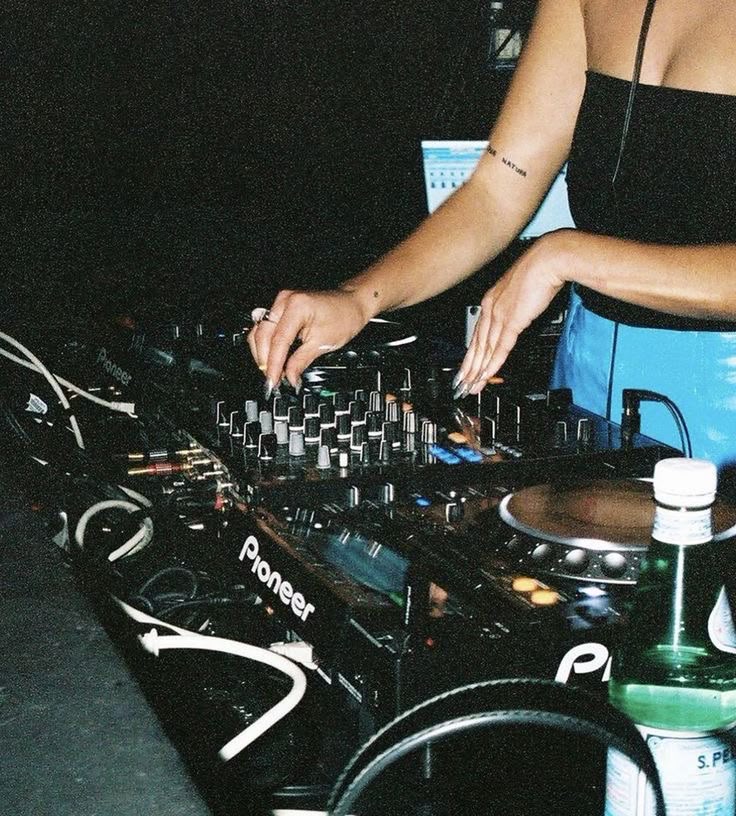
DJ Culture in 2025: More Than Music, It’s a Movement In 2025, DJ culture isn’t just alive — it’s evolving, mutating, and reclaiming its soul. What once revolved around charts, drops, and viral moments has shifted toward something deeper: connection, curation, and community. DJs today aren’t simply playing music; they’re architects of energy, taste-makers, and cultural translators shaping how we experience nightlife. At The Compass Club, we see DJ culture as the heartbeat of the night — and in 2025, that heartbeat is louder, more intentional, and more human than ever. From Superstar DJs to Selectors The era of the untouchable, headline-only DJ is fading. In its place? The selector. DJs who dig. DJs who care. DJs who build journeys instead of chasing trends. In 2025, crowds are paying attention again. They want sets that feel personal, unexpected, and immersive — not just a sequence of drops timed for Instagram. Vinyl is back in booths (not for nostalgia, but for texture). Extended sets are replacing rushed one-hour slots. Warm-up DJs are being respected again. The night is a story, not a highlight reel. The Dancefloor Is the Algorithm Streaming platforms once dictated taste. Now, the dancefloor is fighting back. DJs are testing unreleased tracks, forgotten edits, and genre-blending sounds in real time — letting bodies, not metrics, decide what works. Afrobeats melting into techno. 2000s pop layered over UK garage. Latin club rhythms colliding with minimal house. In 2025, genre rules are suggestions, not limits. The best DJs don’t fit into boxes — they erase them. Intimacy Over Excess Big rooms still exist, but intimacy is the new luxury. Smaller venues, secret lineups, unannounced sets, and community-driven parties are defining DJ culture this year. People want to feel something again — to lose track of time, not just document it. Crowds are more diverse, more expressive, and more present. Phones are lower. Dancing is freer. Eye contact is back. The DJ booth feels less like a stage and more like a shared space. DJs as Cultural Curators In 2025, DJs are more than performers — they’re curators of identity. They influence fashion, language, travel, and even how cities are experienced at night. A DJ’s sound often reflects where they’re from, what they stand for, and the communities they uplift. This shift matters. It means more space for women, queer DJs, and artists from historically overlooked scenes. It means lineups that tell stories, not just sell tickets. Where The Compass Club Comes In At The Compass Club, we believe DJ culture is about direction — knowing where the night is going, but staying open to where it might take you. We follow the selectors, the underground movements, the rooms where something real is happening. In 2025, DJ culture isn’t about being seen.It’s about being felt. And if you’re listening closely, the future of nightlife is already playing.
Charli XCX and the Art of Club Energy
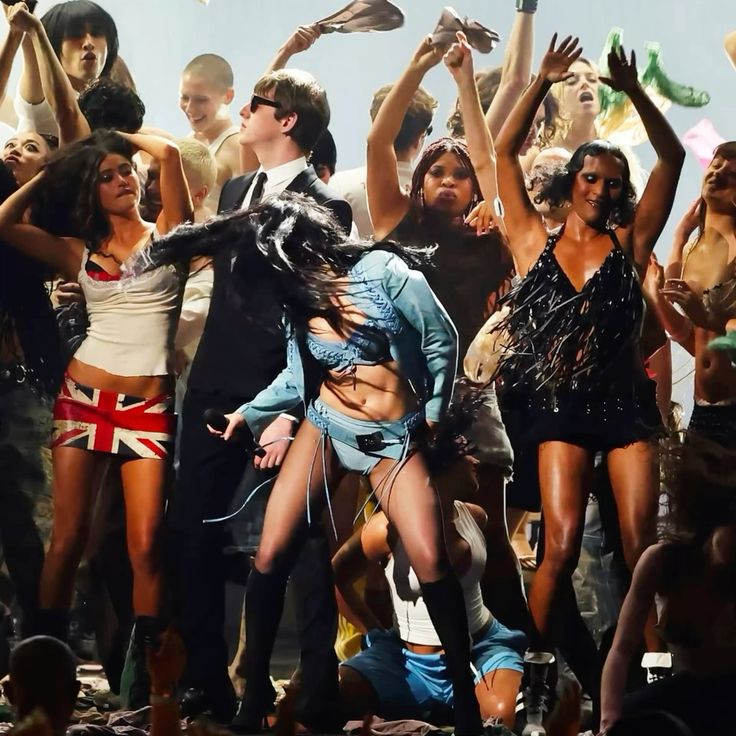
Charli XCX and the Art of Club Energy Charli XCX isn’t just a pop artist—you feel her most when the lights are low, the bass is heavy, and the room is moving as one. Her music lives in the space between underground club culture and mainstream chaos, and that’s exactly why she’s become a nightlife icon. At The Compass Club, we see Charli as more than a soundtrack. She’s a philosophy. Pop, but Make It Dangerous Charli’s sound has always flirted with the edge. Hyperpop, electronic distortion, bratty hooks, and lyrics that feel impulsive, messy, and real. Her tracks aren’t made for passive listening—they’re made to be experienced. Loud. Sweaty. Unfiltered. The kind of music that turns a club into a moment instead of just a venue. She doesn’t polish away the chaos. She amplifies it. The Brat Energy Charli represents a new kind of confidence—one that’s unapologetic, self-aware, and slightly reckless. “Brat” energy isn’t about being careless; it’s about refusing to shrink yourself to fit a room. In nightlife, that translates to presence. You don’t ask for permission. You show up exactly as you are and let the night adjust. That energy is magnetic—and rare. Fashion That Feels Like Music Charli’s style mirrors her sound: raw, futuristic, a little undone. Micro silhouettes, metallics, sheer fabrics, platform boots—clubwear that feels lived-in, not costume-y. It’s fashion that moves, sweats, and survives the night. Nothing precious. Nothing safe. She dresses like the afterparty is just as important as the main event. Main Character Without the Performance What makes Charli XCX resonate in club culture is that she never feels like she’s trying to be iconic. She just is. That effortless authenticity is the same thing that defines the best nights out—the ones where everything feels organic, unscripted, and slightly out of control in the best way. No overthinking. Just momentum. Why She Belongs at The Compass Club Charli XCX embodies what we believe nightlife should be: expressive, inclusive, intense, and a little unhinged—in a controlled way. She reminds us that clubbing isn’t about perfection. It’s about release. About sound systems shaking, bodies moving, and forgetting who you were before you walked in. Some artists make music for charts.Charli makes music for the night.
How to Own the Night (Without Doing the Most)
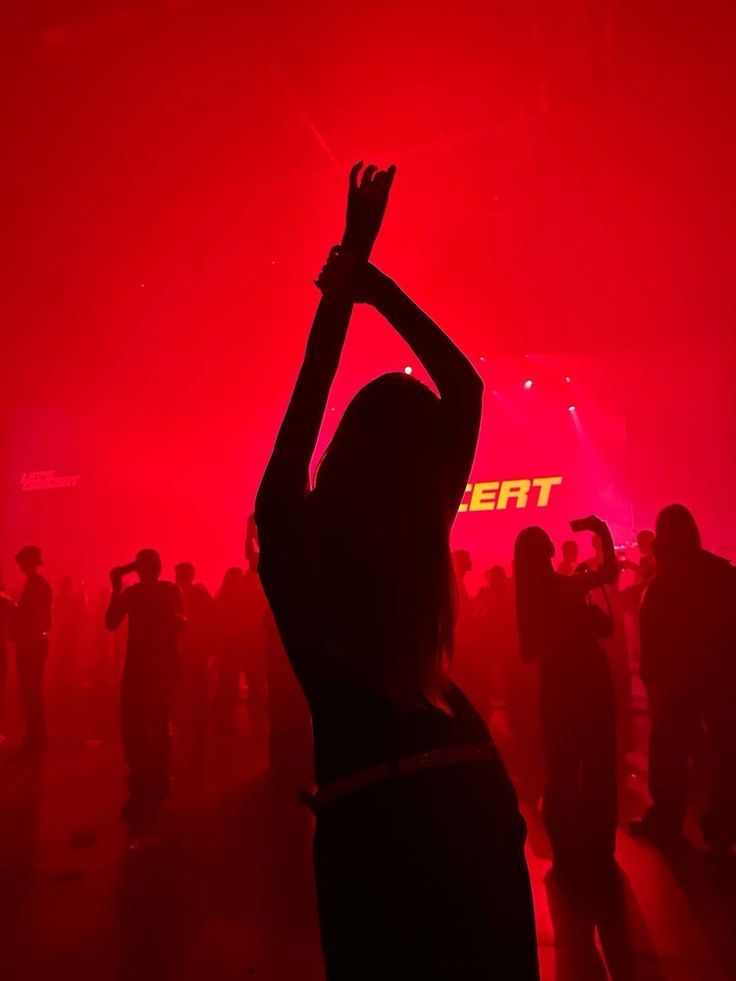
How to Own the Night (Without Doind the Most) Clubbing isn’t just about where you go—it’s about how you move once you’re there. At The Compass Club, we believe the real currency of nightlife isn’t bottles or outfits. It’s energy. The kind that draws people in without asking for attention. Here’s the thing: the most powerful presence in the room is rarely the loudest one. Energy Is a Social Skill Owning the night starts before you even arrive. It’s confidence without performance, ease without effort. People respond to those who seem comfortable in their own rhythm—who don’t rush, don’t chase, don’t force moments. Whether you’re dancing, talking, or just observing, your energy should feel intentional, not reactive. You don’t need to be everywhere. You just need to be exactly where you are. The Art of Arrival First impressions in nightlife matter. Arrive calm, composed, and aware. Take a second to read the room—the music, the crowd, the flow. Those who dominate a space don’t interrupt it; they sync with it. A grounded entrance sets the tone for the entire night. Conversation Over Clout Real connections don’t come from name-dropping or flexing access. They come from presence. Listening well. Knowing when to speak and when to let silence work. The most magnetic people in the room are rarely trying to impress—they’re curious, observant, and selective with their attention. And that selectiveness? It’s felt immediately. Knowing When to Move There’s power in knowing when to stay—and when to leave. The best nights aren’t measured by how long you lasted, but by how good it felt while you were there. Leaving on a high note is an underrated skill. It keeps the experience sharp, memorable, and always leaves room for more. Nightlife, But Make It Intentional Owning the night doesn’t mean excess. It means control. Control over your time, your energy, and your experience. When you stop trying to extract something from the night, the night starts giving back. That’s the Compass Club way.Curated nights. Elevated energy. No wasted moments.
Dressing for the Night You Want

Dressing for the Night You Want At The Compass Club, we see clubbing fashion as more than an outfit—it’s a mindset. What you wear into the night sets the tone for how you move through it: confident, intentional, and just a little untouchable. Club style today isn’t about excess for the sake of it. It’s about precision. Clean silhouettes. Sharp details. Pieces that speak quietly but carry weight. Less Noise, More Intention The era of loud logos and overdone looks is fading. Modern clubbing fashion leans minimalist and elevated—think tailored lines, monochrome palettes, and textures that do the talking. Leather, satin, silk, mesh, and metallic accents catch the light without trying too hard. One strong piece beats five forgettable ones every time. This is fashion that works with the room: dim lights, pulsing bass, bodies in motion. Your outfit should feel effortless but deliberate, like it belongs exactly where you are. Fit Is Everything In clubbing, fit equals confidence. Whether it’s a perfectly cut blazer, a sculpted dress, or relaxed trousers sitting just right, the goal is ease. You should be able to dance, move, and exist comfortably without adjusting yourself every five minutes. When something fits well, it shows and people notice before you even speak. Details That Signal Status The Compass Club look lives in the details. A gold chain catching the strobe lights. A low-back moment. A subtle cut-out. Polished boots or heels that ground the whole outfit. These are the signals that separate someone who goes out from someone who belongs. Accessories shouldn’t overwhelm; they should punctuate. One statement detail is enough to elevate everything else. Timeless Over Trendy Trends come and go fast especially in nightlife. The best clubbing wardrobes are built around timeless pieces you can rework again and again. Black done right. Neutrals with depth. A signature item that becomes part of your identity. When your look is consistent, it becomes recognizable and recognition is power. Dressing for the Experience At the end of the night, clubbing fashion isn’t about being seen—it’s about how you feel when you walk in. Strong. Comfortable. Aligned with the energy you want to attract. The best outfits don’t wear you—you wear them. Because at The Compass Club, style isn’t just what you put on before midnight.It’s how you carry the night once you arrive.
Why Social Events Matter More Than Ever
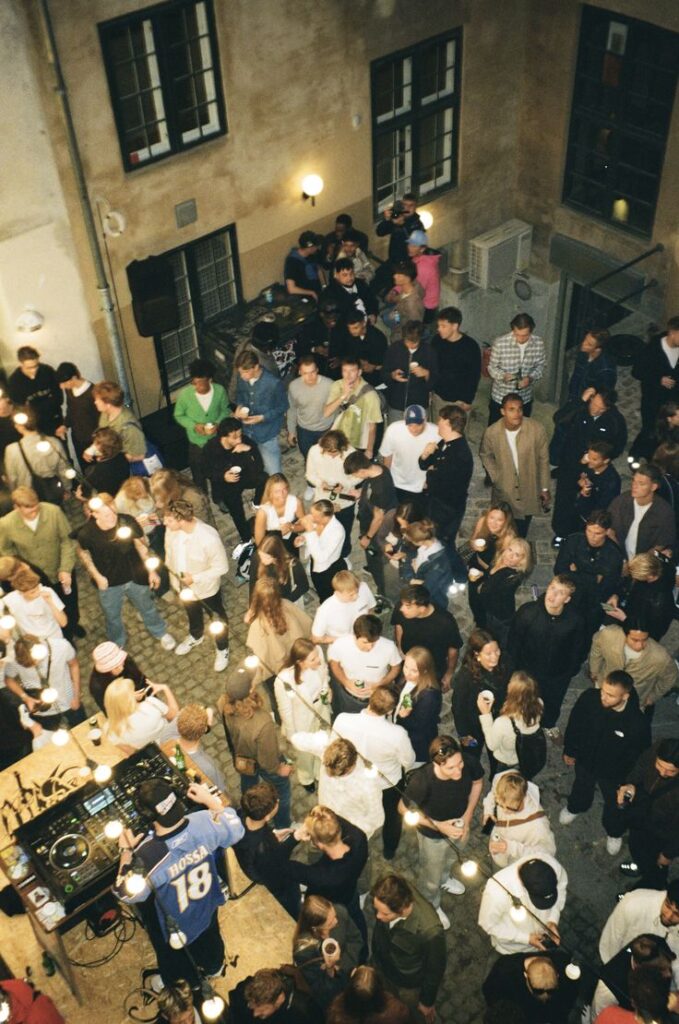
Why Social Events Matter More Than Ever In a world that’s constantly online, social events have quietly become one of the most powerful ways to reconnect—with others, with opportunities, and with ourselves. At The Compass Club, we believe social events aren’t just nights out; they’re moments that shape confidence, community, and connection. Here’s why curated social events are more than just fun—and why they matter. 1. Real Connections in a Digital World We scroll, like, and message constantly, yet genuine human connection often feels rare. Social events create space for face-to-face interaction—the kind that builds trust faster, feels more authentic, and actually lasts. Conversations flow differently when you’re sharing a drink, a laugh, or a moment, rather than typing behind a screen. 2. Expanding Your Circle (Effortlessly) One of the biggest benefits of social events is proximity to people you wouldn’t normally meet. Different backgrounds, industries, cultures, and perspectives collide naturally in the same room. You’re not “networking” in a forced way—you’re simply present, and meaningful connections follow. Some of the strongest friendships, collaborations, and even business ideas start casually, without intention—just good energy and the right environment. 3. Confidence Through Experience Walking into a new space, meeting new people, and being seen builds confidence. Social events gently push you outside your comfort zone, helping you refine social skills, presence, and self-expression. Over time, these moments compound—what once felt intimidating starts to feel natural. Confidence isn’t learned alone. It’s built socially. 4. A Sense of Belonging Humans thrive in communities. Social events foster a feeling of belonging—being part of something bigger than yourself. When events are thoughtfully curated, they create shared identity and shared memory. You’re not just attending; you’re participating in a culture. At The Compass Club, our events are designed to make people feel included, welcomed, and seen—whether it’s your first event or your fifteenth.
How Nightlife Became a Culture, Not Just a Night Out
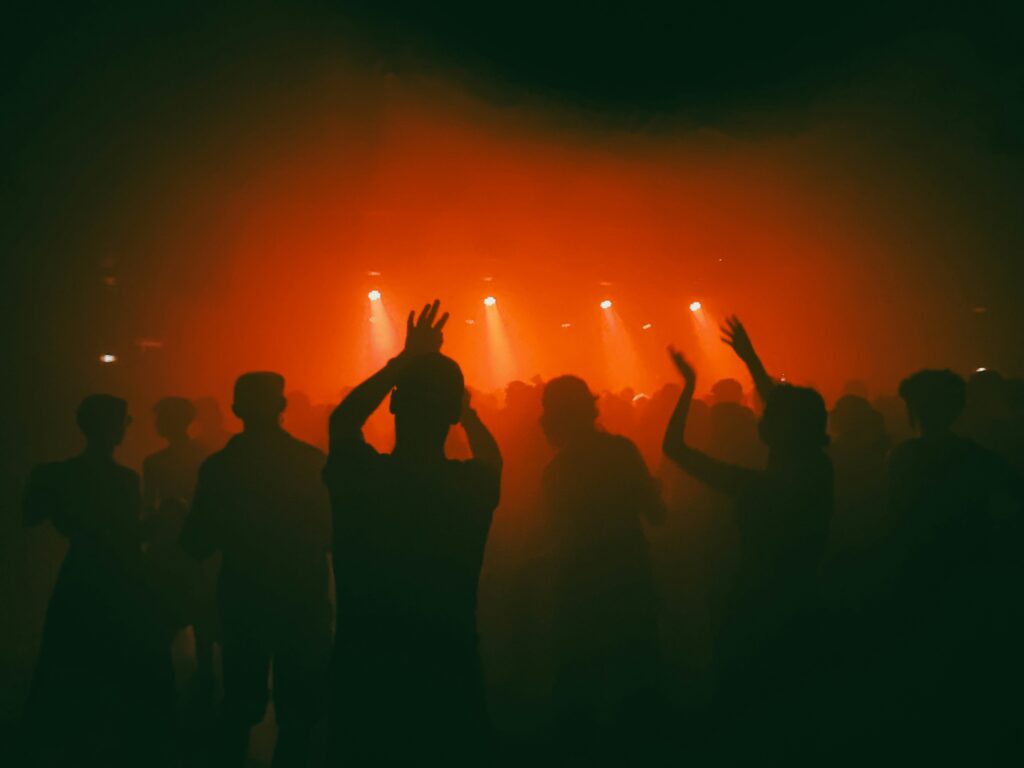
Clubbing Then and Now: How Nightlife Became a Culture, Not Just a Night Out Clubbing has always been more than loud music and late nights. It’s a social ritual, a mirror of youth culture, and a way generations have tested freedom, identity, and belonging. But if you compare how young people experience clubbing today with how past generations did, the shift is huge. Same bass, very different mindset. The Past: Escapism, Rebellion, and the Dance Floor as Refuge For earlier generations—think disco in the ’70s, rave culture in the ’90s, early 2000s club scenes—clubbing was deeply tied to “escape”. Clubs were places where social rules loosened, where subcultures formed, and where music led the experience. You went out for the sound system, the DJ, the sweat, the anonymity. Phones didn’t exist, or at least didn’t matter. Moments were fleeting. What happened in the club stayed there. There was also a strong sense of “collective rebellion”. Dancefloors were political without always trying to be—safe spaces for queer communities, immigrants, creatives, outsiders. Style was expressive but unpolished. Nobody curated a night out; you just lived it. Today: Visibility, Curation, and Experience Economy For young people now, clubbing still offers freedom—but it also comes with **visibility**. The night doesn’t end when you leave the club; it lives on through Instagram stories, TikToks, photos taken in bathroom mirrors under harsh flash lighting. Going out has become part of a broader “lifestyle narrative”. Where you go matters. Who you’re with matters. Access matters. Clubbing today sits at the intersection of nightlife and branding—both personal and commercial. Music is still essential, but the “experience” is equally important: * curated guest lists* themed nights* pop-up events* private tables and invite-only spaces Young clubbers aren’t just dancing—they’re participating in an economy of moments. Access Over Excess Past generations often equated clubbing with excess: all-night raves, heavy drinking, losing control. Today’s generation is more selective. Many go out less often, but more intentionally. There’s a stronger awareness of mental health, safety, and personal boundaries. Drinking culture is shifting. Sobriety-curious nights exist. Leaving early isn’t uncool anymore. Instead of chaos, the focus is on access. Being in the right room, at the right time, with the right people. Digital Natives, Physical Desire Ironically, in a hyper-digital age, clubbing has become one of the few spaces where young people crave **physical presence**. The bass you feel in your chest can’t be streamed. The shared drop on a crowded dancefloor can’t be recreated online. But the digital layer changes behavior. People move differently when they know they’re being watched—or recorded. Style is sharper. Self-awareness is higher. The dancefloor becomes both a stage and a sanctuary. Community, Reimagined Where older scenes built communities slowly and locally, today’s club culture is **networked**. You meet people from different cities, countries, scenes—often through nightlife itself. Clubbing now overlaps with travel, fashion, art, and entrepreneurship. It’s not just about losing yourself for a night; it’s about finding connections that extend beyond it. Same Pulse, New Language At its core, clubbing hasn’t changed that much. Young people still seek release, connection, and identity through music and movement. What’s changed is the language: from underground rebellion to curated freedom, from anonymity to selective visibility. The club is no longer just where you go—it’s something you’re part of. And maybe that’s the biggest difference of all.
Best Nights are Not Accidents

Best Nights are not Accidents Being honest, the best nights out are rarely random. They’re planned by people who know the city, the scene, and the spots that you are really looking for. However, most of us try to rely on the same boring routine: Maps, TikTok hype or whatever place you walk by that has a short line. This is where our compass club comes in. We built Compass Club for people who do not want to just go out; they want to go somewhere worth going. Whether you are landing in a new city, having friends from out of town, or you are just tired of wasting nights on overhyped overpriced spots. Compass Club points you in the right direction. Not every “popular” place is actually good. Our network focuses on curated venues: clubs with energy, bars that actually have character, and restaurants that locals actually go to. We work directly with venues to make sure members get access to places that have good experience and aren’t all just foot traffic. Skip the guessing game while you are on the way to the club; Compass Club members get Priority entry at select venues, member only events and experiences, and access to spaces that are not easy to find on your own. Think of Compass Club as your social compass. We do not tell you where to go, we help you find where you belong. Whether that is a low-key cocktail bar in Milan, a late-night club in New York, or a rooftop spot in Barcelona, your next great night should not be a maybe. Because the best nights are not accidents, they happen when you know where to go.
The End of the Tourist
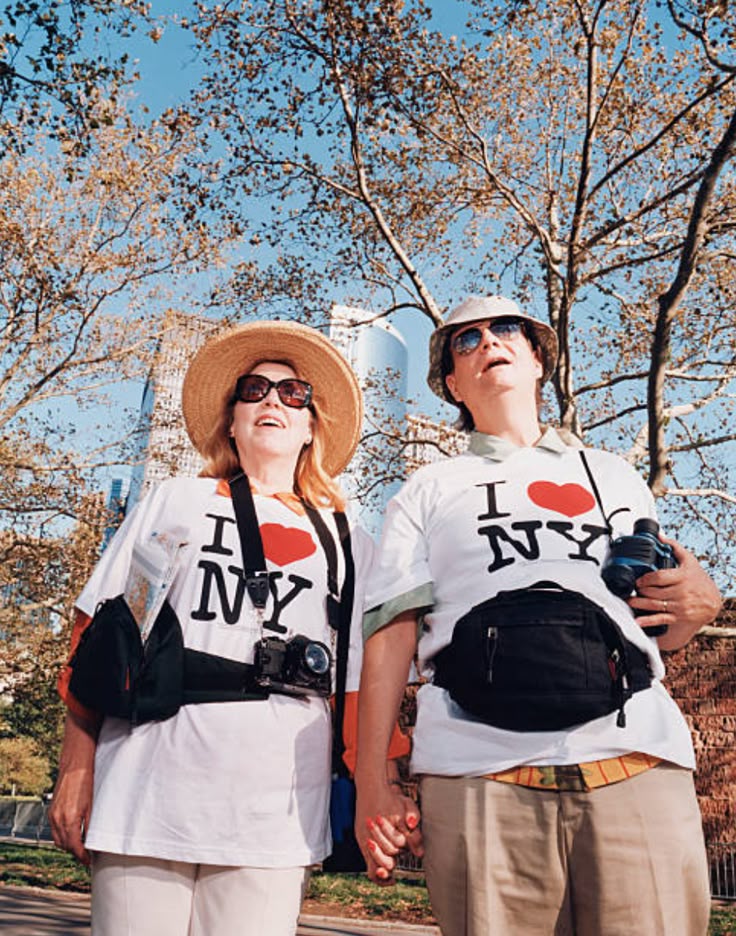
The end of the Tourist Travel has never been easier, but arrival has never been more complicated. In a world where you can book a flight in a couple of taps, the logistics are solved; the real challenge is the transition from being a tourist with a suitcase to a local with a pulse. Whether you’re in Tokyo for a week or London for a month, the goal isn’t just to see the city; it’s to inhabit it. Here is how to bypass the “visitor” phase and find your footing in under 24 hours. 1. The “Radius” Strategy The biggest mistake travelers make is trying to conquer the whole city on Day 1. Instead, pick a micro-neighborhood and own it. Find one high-quality independent coffee shop within a five-minute walk of where you’re staying. Go there twice in the first 24 hours. By the second visit, you aren’t just a customer; you’re a familiar face. Baristas are the unofficial gatekeepers of local intel; they know which galleries are actually open and which restaurants are currently overhyped. 2. Seek “High-Density” Environments Traditional sightseeing is passive. You need active environments. Look for spaces where people aren’t just passing through, but are doing things. Seek out hotel lobbies that double as social hubs, concept stores with integrated cafes, or lounges. These are “collision points”, places designed for serendipity where a conversation at a communal table can turn into a dinner invitation or a business lead. 3. Curation Over Search Engines The internet is great for facts, but terrible for “vibe.” If you rely on top-ten lists, you will end up in a room full of other people who read the same top-ten list. Look for the “tastemakers” of the city. Follow a local architect, a gallery owner, or a boutique chef on social media. See where they spend their Tuesday nights. Aligning yourself with a specific aesthetic or community immediately narrows the city down from a daunting metropolis to a curated collection of spots that feel like “you.” 4. The Sunset Anchor Every city has a rhythm. To find yours, pick a “sunset anchor”, a specific spot to be at 6:00 PM. Whether it’s a rooftop terrace or a hidden jazz bar, having a destination for that transitional hour between work and play grounds your day. It gives you a sense of purpose and a place to observe the city shifting gears. Belonging isn’t about how long you stay; it’s about the quality of your interactions. When you stop looking at a map and start looking for a community, the world gets a lot smaller, and a lot more welcoming.